Deer Nursery Art & Woodland Animal Illustrations for Real Design Projects
First Impressions: A Whimsical, Nature-Inspired Visual Language
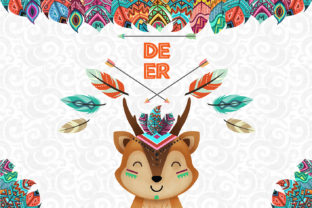
Opening up the Deer Nursery Art, Woodland Animal design asset collection immediately gives off a soft, nature-inspired vibe. The illustrations feel hand-drawn with a gentle, organic texture that leans into rustic charm and woodland storytelling. These aren't just decorative graphics—they're visual narratives that speak to a specific audience: nature lovers, parents, crafters, and small business owners building soft, approachable brands.
The color palette is muted and earthy, with soft greens, browns, and creams creating a calming, grounded aesthetic. This makes Deer Nursery Art, Woodland Animal ideal for design directions that aim to feel organic, thoughtful, and emotionally engaging.
Where This Design Asset Shines: Real-World Client Use Cases
As a designer working on a client project for a new line of handmade baby products, I immediately saw potential in using Deer Nursery Art, Woodland Animal to build a cohesive brand identity. From logo concepts to packaging labels and Instagram templates, the illustrations added a layer of warmth and storytelling that elevated the visual direction.
- Logo design: Can be used as a secondary icon or supporting graphic in a logo suite.
- Brand identity: Adds character to brand kits, especially for eco-friendly or nature-focused brands.
- Packaging design: Works beautifully on baby product boxes, tea packaging, and artisanal goods.
- Social media graphics: Ideal for seasonal campaigns, baby showers, or forest-themed promotions.
- Printable designs: Perfect for downloadable wall art, nursery prints, and children’s activity sheets.
- Cricut projects: Easy to scale and layer for custom decals, stickers, and DIY crafts.
Best Use Scenarios: Maximizing Visual Impact
Deer Nursery Art, Woodland Animal performs exceptionally well in projects where visual storytelling is key. The illustrations are best used in the following design contexts:
- Hero graphics – On landing pages or social media headers where the artwork can breathe.
- Product mockups – Especially for Etsy sellers and print-on-demand businesses creating baby clothes or woodland-themed décor.
- Themed collections – Ideal for seasonal campaigns like spring baby showers, forest festivals, or nature retreats.
- Packaging details – Adds subtle charm to label corners, thank-you tags, and gift wrap accents.
- Editorial design – Works well in children’s books, parenting blogs, and eco-conscious magazines.
When to Use with Caution: Design Limitations
While this design asset is versatile, it’s not a one-size-fits-all solution. The soft, intricate details and organic lines can get lost in certain design environments:
- Small sizes – Details in the illustrations may blur or become indistinct at thumbnail scale.
- Crowded layouts – Can get visually overwhelmed when placed alongside multiple bold design elements.
- Low-contrast designs – The muted tones may not pop enough on similarly toned backgrounds.
- Minimalist branding – Doesn’t align with ultra-clean, modernist visual identities.
- Corporate materials – Too whimsical for formal business decks or finance-related content.
How It Influences Brand Perception and Audience Engagement
Using Deer Nursery Art, Woodland Animal in a design project isn’t just about aesthetics—it impacts how a brand is perceived. The organic, handcrafted feel builds visual trust and emotional appeal, especially among audiences who value authenticity and personal touch.
When integrated thoughtfully, these illustrations can:
- Improve readability by guiding the eye through visual hierarchy.
- Strengthen brand consistency when used across multiple touchpoints.
- Increase audience engagement by evoking a warm, familiar feeling.
- Elevate professionalism through cohesive, well-edited design execution.
Practical Designer Notes Before Using Commercially
Before integrating Deer Nursery Art, Woodland Animal into a client project, here are some critical checks to perform:
- Test in black and white – Ensure the illustration maintains its character without color.
- Check contrast – Preview on both light and dark backgrounds to ensure legibility.
- Preview at different sizes – Confirm clarity on mobile screens and print materials.
- Place on real mockups – Use tools like Placeit or Adobe to visualize the design in context.
- Test print quality – Especially important if used for physical products or packaging.
- Review file formats – Look for SVG, PNG, and EPS files to ensure flexibility across design platforms.
- Inspect PNG transparency – Makes layering easier in Photoshop, Illustrator, or Canva.
- Check SVG or vector editability – Allows for customization of individual elements.
- Pair with fonts – Test with serif, sans serif, script, and display fonts to find the best visual harmony.
- Confirm commercial licensing – Always double-check the license before using in a client or business project.
Final Thoughts: A Valuable Addition to Your Design Toolkit
Deer Nursery Art, Woodland Animal is more than a cute clipart collection—it's a design asset that tells a story. Whether you're crafting a brand identity for a handmade business, designing social media templates for a small Etsy seller, or curating a themed product line, this illustration set can bring a unique emotional depth to your work.
Used strategically, it supports a wide range of design applications—from packaging and web graphics to Cricut crafts and digital ads. As long as you're aware of its visual limitations and test it thoroughly in your design context, it can be a powerful tool for creating memorable, emotionally resonant visuals that connect with your audience.