Elephant Nursery Decor: A Designer’s Honest Review
First Impressions: Charming, Playful, and Versatile
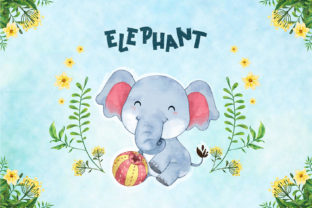
Opening the file for Elephant Nursery Decor, the first thing that strikes me is its soft, whimsical charm. It’s clearly aimed at a baby or toddler space, but it carries a design maturity that avoids feeling overly cutesy. The elephant is stylized but recognizable—rounded ears, a friendly expression, and gentle curves throughout the body. The layout is balanced, with enough open space that it won’t feel crowded when stitched out.
It reads as an Illustrations category design, which makes sense. It’s not overly detailed, but there’s enough nuance in the ear folds and trunk to suggest it was drawn with care. The visual personality is warm and inviting, making it a strong candidate for baby items, nursery decor, or even boutique-style kids’ apparel.
Real-World Use: From Tote Bags to Baby Onesies
I recently tested Elephant Nursery Decor on a custom embroidered tote bag for a client’s boutique line. The result was clean, with the satin and fill stitches holding up well under tension. The elephant’s body filled in evenly without puckering on medium-weight cotton canvas, and the outline remained crisp.
When I stitched it onto a baby onesie, I adjusted the size slightly to keep the details legible. The design scaled down nicely, though I did notice the trunk’s definition started to soften at smaller sizes. For personalized gifts like baby towels or bibs, it works beautifully—especially when paired with a soft thread palette like pastel grays or blues.
It also held up well on a sweatshirt mockup. The thicker fabric didn’t distort the design, and the stitch density was just right—not too heavy to cause stiffness, but solid enough to maintain clarity. For small shop product creators, this design is versatile enough to work across a range of handmade product lines, from holiday embroidery tags to custom apparel for baby showers.
Where to Use It Carefully: Know the Limits
As with any machine embroidery design, there are fabrics and placements where Elephant Nursery Decor needs extra attention. On stretchy knit fabrics, I noticed slight distortion in the trunk’s curve unless I used a firm tear-away stabilizer. For caps or curved surfaces, the design may need to be simplified slightly to avoid skipped stitches or uneven tension.
It’s also not ideal for very small hoops. If you’re working with a 4x4 hoop and need to keep all design elements intact, you’ll likely have to reduce detail or accept a smaller stitch-out. On dark fabrics, the lighter thread areas—like the elephant’s eye and inner ear—can get lost visually unless you choose contrasting thread colors carefully.
I wouldn’t recommend it for heavily layered garments or thick quilted blankets without first testing on a similar fabric swatch. The satin stitch outlines are delicate and can get buried in heavy textures. Also, if you’re planning to sell digital embroidery files or finished items, make sure you’ve verified the licensing—especially if you’re an Etsy seller or run a craft business.
Design Impact: How It Elevates Your Work
What makes Elephant Nursery Decor stand out isn’t just its aesthetic—it’s how it translates into a finished product. The clarity of the stitch-out gives a professional edge to any personalized gift or custom apparel piece. I’ve used it on embroidered patches for a local boutique, and the clean lines and soft theme helped reinforce their brand’s gentle, handmade appeal.
From a visual appeal standpoint, it adds instant charm without being overwhelming. It’s the kind of design that invites customers to pause and say, “That’s sweet—but not too much.” For product value and customer trust, that’s huge. It signals thoughtful design and quality execution, especially when paired with good thread choices and proper stabilizer use.
As a designer, I appreciate how well it works in both light and dark fabric mockups. Whether I’m creating a printable mockup for a client or a product preview for a digital marketplace, the design holds up visually in both black and white versions. That flexibility is a big plus for creative entrepreneurs who need to showcase their work across multiple backgrounds.
Practical Notes for Embroidery Designers
Before stitching out Elephant Nursery Decor on a final product, always test it on a scrap of the intended fabric. I learned this the hard way when using it on a stretchy baby blanket material—minor tension adjustments made a big difference in the final result.
- Thread color contrast is key—especially in the ear and eye details.
- Check stitch density to ensure it’s suitable for your fabric weight.
- Confirm the hoop size before scaling the design up or down.
- Inspect small details like the trunk curve and inner ear shape after stitching.
- Test the design in black and white mockups to see how it reads on different backgrounds.
- Use the right stabilizer—especially on stretchy or textured materials.
Also, take a moment to confirm whether the design is labeled as a digital embroidery file or applique design. If it’s applique-based, your setup will differ slightly, and that can affect your workflow. And if you’re planning to sell finished items or include it in a digital product, always check the licensing terms—especially if you’re a digital product seller or run a small shop product line.
Final Thoughts: A Solid Choice for Makers and Sellers
Overall, Elephant Nursery Decor is a well-balanced, practical design that delivers both charm and usability. Whether you’re an embroidery designer, a craft fair product maker, or a creative entrepreneur building a brand around handmade goods, this design has enough flexibility to be a go-to in your collection.
It stitches cleanly, scales well, and adds a touch of warmth to any project. Just remember to test, adjust, and match it to the right fabric and product type. Done right, Elephant Nursery Decor can be a quiet but powerful part of your finished product lineup.