Green Food Clip Art: Fresh Illustrations for Lifestyle and Wellness Blogs
As a blog designer and digital publisher who regularly works with visual assets, I recently reviewed the Green Food Clip Art pack and found it to be a versatile and mood-enhancing design resource. Whether you're building a wellness blog, launching a digital guide, or designing social media graphics, this illustration set offers a clean, modern aesthetic that supports a variety of content publishing needs.
First Impressions: Bright, Natural, and Editorial-Friendly
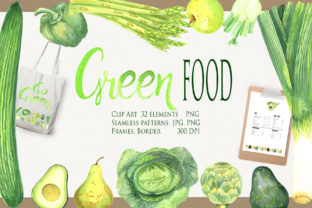
The first thing that stood out about Green Food Clip Art was its fresh, organic vibe. The illustrations are soft yet distinct, with a muted green color palette that feels both natural and modern. It’s not overly playful or cartoonish, which makes it suitable for lifestyle, wellness, and health-focused niches. This design asset leans toward a clean editorial style, making it ideal for bloggers and digital educators who want to convey trust and simplicity in their visuals.
Supporting a Lifestyle and Wellness Editorial Mood
Green Food Clip Art naturally supports content in niches like plant-based eating, green smoothies, sustainable living, and healthy cooking. The soft tones and minimalist lines give off a calming, approachable energy—perfect for websites aiming to build reader trust and engagement. Whether used in a featured image or as part of a Pinterest pin, this set enhances the editorial mood by adding a subtle visual anchor without overpowering the message.
Real-World Publishing Uses for Green Food Clip Art
- Blog featured images: Pair with soft backgrounds and clean typography for a modern blog header look.
- Pinterest pins: Use as a central visual in lifestyle and recipe pins to attract attention and reinforce branding.
- Email newsletter banners: Add a touch of greenery to your email headers for a fresh, engaging layout.
- Digital guides and worksheets: Integrate into downloadable content like recipe books or wellness planners.
- Canva templates: Ideal for creating branded templates that content creators can reuse across their platforms.
- Social media stories and posts: Enhance Instagram carousels or Facebook posts related to food, health, and nature.
How Green Food Clip Art Elevates Content Performance
In the world of content marketing and affiliate marketing, visual presentation matters. Green Food Clip Art contributes to stronger visual hierarchy and a more consistent brand identity. When used across a blog or social media, it helps readers recognize and connect with your content more easily. It also improves the click-through potential of your blog graphics and Pinterest images, especially when paired with high-contrast text and a clean layout.
Additionally, this graphic design asset supports better reader trust and category recognition—key factors for bloggers aiming to build a loyal audience. Whether you're designing a media kit or a lead magnet, using a cohesive visual style like this can make your digital product feel more polished and professional.
Where Green Food Clip Art Works Best
This design asset shines in the following use cases:
- Hero images: Especially effective in lifestyle and wellness websites where a soft, inviting tone is desired.
- Article thumbnails: Great for recipe blogs or health-focused content hubs needing a visual hook.
- Pinterest pins: The natural colors and soft shapes make for eye-catching, scroll-stopping visuals.
- Newsletter headers: Adds a consistent, branded visual element to your email campaigns.
- Content upgrades: Perfect for downloadable printables, checklists, or recipe cards.
Use with Caution in These Scenarios
While Green Food Clip Art is highly adaptable, it may not be the best fit for every project. Here are a few situations where you should use it carefully:
- Small mobile thumbnails: The soft lines and subtle details may not render clearly at very small sizes.
- Text-heavy blog images: Can get lost if used as a background element behind dense text.
- Low-contrast layouts: May not stand out enough if the surrounding design is too muted or busy.
- Corporate or serious niches: Better suited for lifestyle and creative content than for legal, financial, or technical sites.
- Minimalist design systems: Can feel too decorative in ultra-clean, flat-design environments.
Publisher Notes: Practical Tips for Using Green Food Clip Art
Before launching your blog post or digital product, take the time to test this graphic design asset in different contexts:
- Preview on desktop and mobile: Make sure it scales well and remains legible on all screen sizes.
- Check thumbnail appearance: Ensure it's still recognizable when compressed into a small preview.
- Test with headline text: Overlay it with different fonts and background colors to check readability.
- Try black and white: See how it looks in grayscale for accessibility and print versions.
- Pair with different fonts: Test alongside serif, sans-serif, script, and display fonts to see which styles complement it best.
- Review file size: Optimize for web performance to avoid slowing down your blog or landing page.
- Confirm licensing: Always double-check that the design asset includes a commercial license if you're using it on monetized content, affiliate pages, or paid digital downloads.
Final Thoughts: A Strong Design Asset for Lifestyle Content Creators
Green Food Clip Art is a solid choice for bloggers, digital educators, and content creators focused on lifestyle, wellness, and food niches. Its modern design and editorial-friendly aesthetic make it a reliable visual tool for enhancing blog graphics, social media posts, and downloadable resources. Whether you're building a Canva template library or launching a digital guide, this illustration set supports a cohesive brand identity and a more engaging content experience.
If you're looking for a creative marketplace asset that balances professionalism with a warm, approachable tone, Green Food Clip Art is worth considering. Just be mindful of where and how you apply it, and always test it within your real publishing workflow to ensure it meets your visual and performance goals.