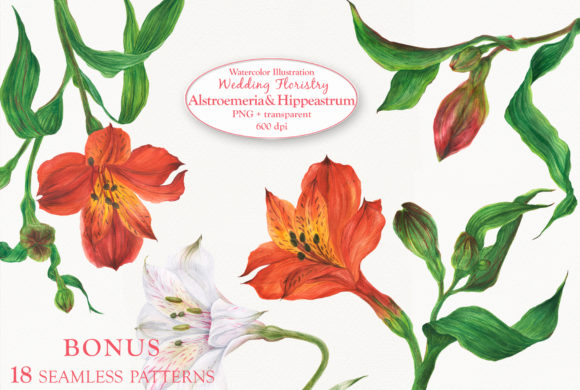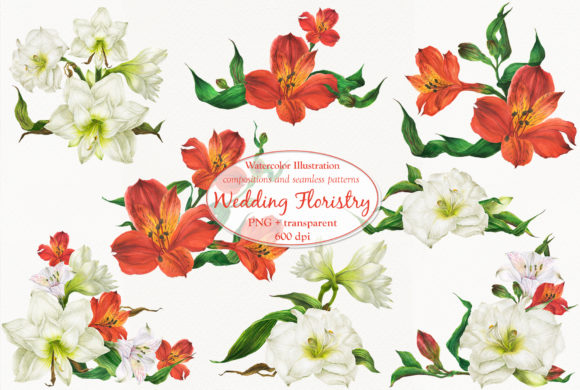
Wedding Floristry Illustrations for Elegant Branding Projects
As a graphic designer who regularly works with small businesses, handmade brands, and boutique product lines, I’m always on the lookout for high-quality design assets that can elevate a client’s visual identity. Recently, I came across Wedding Floristry—a collection of botanical illustrations designed for creative professionals and digital sellers. I decided to put it through its paces to see how it holds up in a real-world project: designing a brand identity for a new line of luxury wedding stationery.
First Impressions: Soft, Romantic, and Highly Versatile
Opening the design bundle, I was immediately struck by the soft, hand-drawn aesthetic of the Wedding Floristry illustrations. The floral motifs are delicate yet detailed, with gentle curves and organic shapes that evoke a sense of timeless elegance. These illustrations feel like they were crafted with care—perfect for branding projects that need a touch of sophistication without veering into overly ornate territory.
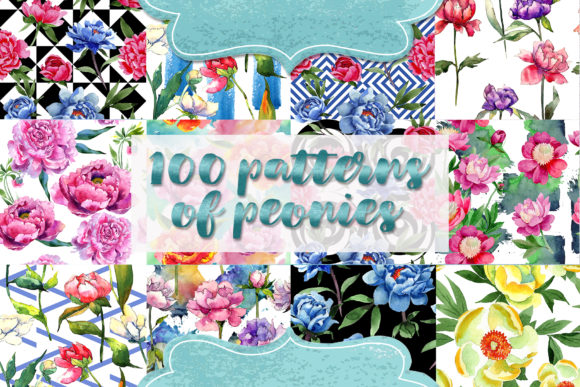
The collection includes a variety of floral elements, from peonies and roses to trailing vines and leafy accents, all rendered in a cohesive style. This makes it easy to mix and match components across different design applications, whether it’s for packaging, social media graphics, or printed invitations.
Real-World Use: From Logo Design to Packaging and Beyond
For the wedding stationery brand, I needed to establish a cohesive visual language that would translate well across both print and digital formats. Here’s how Wedding Floristry performed in different design contexts:
- Logo Design: While the illustrations themselves are too intricate for a primary logo, they worked beautifully as supporting elements in secondary logos and social media badges.
- Brand Identity: I used the illustrations as background textures in brand guidelines and on branded stationery, adding a soft, romantic tone that aligned perfectly with the client’s vision.
- Packaging Design: The floral elements were ideal for custom tissue paper and gift box accents, enhancing the unboxing experience with a boutique feel.
- Social Media Graphics: In Canva templates and Instagram posts, the illustrations served as elegant dividers and decorative headers, adding a touch of visual richness without overpowering the content.
- Printable Designs: For downloadable wedding planners and seating charts, the illustrations framed the content beautifully and gave the designs a professional, curated look.
Where Wedding Floristry Shines
This design asset truly excels in projects that benefit from a soft, feminine aesthetic. It works particularly well in:
- Large layout areas where the intricate details can breathe and be appreciated.
- Hero graphics on websites or landing pages that need a visual centerpiece.
- Themed collections like seasonal wedding campaigns or bridal shower kits.
- Packaging details such as envelope liners, thank-you cards, and ribbon tags.
- Printable wall art and greeting cards for Etsy shops or print-on-demand services.
When to Use It with Caution
Despite its elegance, Wedding Floristry isn’t a one-size-fits-all solution. I found that it should be used thoughtfully in the following scenarios:
- Small sizes: The fine details get lost when scaled down, especially in digital ads or app icons.
- Crowded layouts: In designs with multiple visual elements, these illustrations can add clutter rather than clarity.
- Minimalist branding: If the client is going for a clean, modern look, this floral style may feel out of place.
- Professional corporate materials: These illustrations are better suited for lifestyle or creative industries rather than formal business environments.
- Low-contrast designs: When placed on patterned or textured backgrounds, some elements become hard to distinguish.
Impact on Branding and Visual Communication
From a design strategy standpoint, Wedding Floristry has a strong emotional appeal. It adds a sense of warmth and intimacy that resonates well with audiences looking for authenticity and craftsmanship. In the stationery project, the illustrations helped establish visual trust and reinforced the brand’s message of personalized, high-touch service.
However, designers should be mindful of how these illustrations affect readability and visual hierarchy. When used as background elements or accents, they enhance the design. But if overused or placed in the wrong context, they can distract from the core message.
Practical Designer Notes Before Use
Before integrating Wedding Floristry into a client project, I recommend the following checks:
- Test in black and white: Some illustrations may lose their charm when converted to monochrome, especially if used in print materials.
- Check contrast on light and dark backgrounds: Not all illustrations are equally legible on every background color.
- Preview at different sizes: Ensure the details hold up on both large posters and small stickers.
- Place on real mockups: See how the illustrations look in context, especially for packaging and product mockups.
- Test print quality: Confirm resolution and color accuracy before sending to print.
- Review file formats: Make sure the bundle includes SVG and PNG files for both web and print use.
- Inspect PNG transparency: If transparency is needed (e.g., for overlay effects), verify that the PNGs are properly exported.
- Compare with different fonts: Pair the illustrations with serif, script, and sans-serif fonts to see which combinations feel most cohesive.
- Confirm commercial licensing: Always double-check that the asset includes a commercial license, especially if it will be used in an Etsy product or print-on-demand offering.
Final Thoughts: A Valuable Addition to Any Creative Designer’s Toolkit
Overall, Wedding Floristry is a strong design asset that offers both aesthetic appeal and functional versatility. Whether you're crafting a new brand identity, designing a line of wedding-themed merchandise, or creating digital assets for a Canva template shop, this illustration set can help elevate your work and add a touch of elegance to your designs.
As with any design element, the key is to use it intentionally. When placed thoughtfully and paired with the right visual strategy, Wedding Floristry can be a powerful tool for building emotional connection, enhancing brand storytelling, and delivering polished, professional results.