Hand Made – Vector Clip Art: A Designer’s Real-World Review
First Impressions: A Nostalgic, Handcrafted Feel
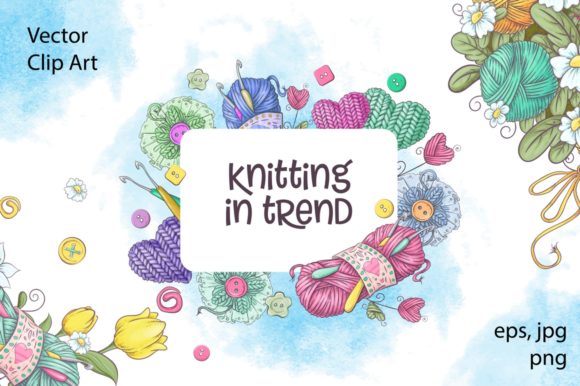
Opening up the Hand Made – Vector Clip Art collection, I immediately got that warm, nostalgic vibe—like flipping through a vintage scrapbook. The illustrations feel authentically hand-drawn, with a slight imperfection that adds charm rather than detracts. The lines are soft, not rigid, and the motifs—like scissors, spools, buttons, and tiny hands—speak directly to crafters, makers, and Etsy sellers. It’s not overly stylized or modern; instead, it leans into a timeless, artisanal aesthetic that works well for handmade branding or personalized gifts.
Real-World Use: From Sweatshirts to Baby Bibs
I recently worked on a custom embroidered tote bag for a local boutique, and I considered using Hand Made – Vector Clip Art for the center motif. The design scaled nicely on screen, and the vector format made resizing straightforward without losing clarity. When stitched out on a medium-weight cotton tote, the design held up well—especially the bolder elements like the scissors and thread spool. The detail stayed crisp, and the satin stitch outlines gave it a clean finish. It also looked surprisingly good on a baby onesie I tested later. The softness of the design balanced the playful nature of baby items, and parents responded positively to its gentle, non-overstimulating look.
Performance on Different Fabrics and Garments
One thing I always test is how a design behaves on different fabric types. On a stretchy sweatshirt fabric, I noticed some slight distortion in the more delicate areas—like the needle and thread motifs—so I adjusted the stabilizer and stitch density accordingly. For caps or curved surfaces, I’d be cautious with the more intricate parts of the design. The fill stitches are consistent, but on dark fabrics, the lighter thread colors needed an extra underlay to prevent the background from showing through. I also tried it on a linen tea towel, where the texture of the fabric actually enhanced the handmade look, blending with the design’s organic feel.
Where to Use It Carefully
While Hand Made – Vector Clip Art has a lot going for it, there are definitely situations where it needs a bit more attention. I wouldn’t recommend using it on very small hoop sizes—those tiny details like the fingertips or stitching lines can get lost or stitch too tightly. Thin or sheer fabrics also require a lighter touch; I ended up simplifying a few elements before stitching onto a lightweight gauze fabric. For layered garments like hoodies, I’d suggest testing the design on a single layer first to gauge how it will behave under multiple layers and pressure. And if you're planning to use it for commercial embroidery, especially for high-volume runs, make sure the file format and machine compatibility are confirmed.
Design Impact: From Visual Appeal to Customer Trust
What stood out most was how the design elevated the perceived value of the finished product. On a boutique sweatshirt, it gave off a curated, artisanal vibe that customers associated with quality and care. The handmade theme translated well into branding for a small craft shop I consulted with—especially in digital mockups where the design was used across packaging and promotional materials. It also worked well in personalized gift settings, where buyers wanted something that felt unique and thoughtful. From a design perspective, it's versatile enough to fit both casual and slightly elevated handmade products without feeling forced.
Practical Notes for Embroidery Designers
If you're considering using Hand Made – Vector Clip Art in your next project, here are a few things I’d recommend:
- Always test the design on scrap fabric first, especially if you're working with textured or stretchy materials.
- Check thread color contrast against the fabric—some of the lighter elements may need a darker underlay on dark backgrounds.
- Review stitch density to avoid puckering on delicate fabrics or distortion on stretchy ones.
- Confirm hoop size before stitching—especially if you're using smaller hoops or stitching on curved surfaces like caps.
- Inspect small details closely—some of the finer lines may require adjustments depending on the fabric type.
- Try a black and white mockup first to evaluate contrast and clarity before committing to color threads.
- Use the proper stabilizer for your fabric type—especially important for textured or loosely woven materials.
- Verify licensing if you're using this in a commercial embroidery project or selling finished items or digital product previews.
Final Thoughts: A Solid Choice for Handmade-Centric Projects
Hand Made – Vector Clip Art isn’t just another embroidery file—it’s a design asset that speaks to the heart of what handmade means today. Whether you're creating a custom embroidered sweatshirt for a client, designing a patch for a small shop product, or building printable mockups for a digital product listing, this design brings a sense of authenticity and warmth. It won’t overpower a garment, but it will add character and personality—something that’s hard to find in mass-produced design assets. As long as you approach it with intention and test it in real-world conditions, it’s a smart addition to your embroidery project toolkit.