Tropical Fruits: A Designer’s Real-World Embroidery Review
First Impressions: Bright, Playful, and Perfect for Summer Vibes
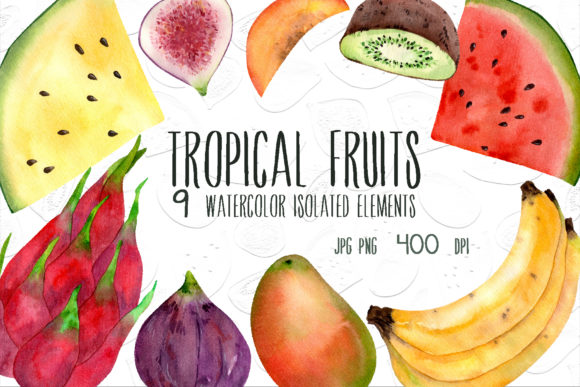
When I first opened the Tropical Fruits embroidery design, I was immediately drawn to its cheerful layout and vivid imagery. It's a digital illustration that captures the essence of summer—ripe pineapples, juicy mangoes, and vibrant coconuts arranged in a loose, organic flow. The design feels like it belongs on a beach tote or a breezy linen dress. It has a hand-drawn quality that gives it a personal, artisanal touch, which is a big win for small craft businesses and Etsy sellers aiming for that handmade appeal.
As a designer, I appreciate how the layout balances negative space with detail. It doesn’t feel overcrowded, which makes it a solid choice for both beginners and experienced embroiderers. The visual personality leans casual and fun, making it ideal for baby items, boutique apparel, or personalized gifts that need a splash of warmth and color.
Real-Life Use: From Tote Bags to Baby Onesies
I tested Tropical Fruits on a custom tote bag and a cotton baby onesie. Both turned out beautifully. On the tote, the fruits stood out with clear satin and fill stitches, and the colors popped against the natural canvas. The design scaled well without losing clarity, which is crucial for small shop owners who might want to offer different product sizes.
On the baby onesie, I adjusted the stitch density slightly to prevent stiffness. The result was soft, wearable, and charming. The design’s playful nature made it a hit with parents looking for something unique and cheerful. I can see this doing well in Etsy listings around spring and summer, especially as part of seasonal bundles or personalized with a name or date.
It also worked well when I stitched it onto a cotton sweatshirt. The texture of the fabric didn’t interfere with the clarity of the design, and the overall look felt polished enough for boutique-level merchandise. For apparel decorators, this is a great option for custom summer apparel without being too niche.
Where to Use with Caution
While Tropical Fruits is versatile, it does have some limitations. The design includes small leaf veins and thin outlines, which can get lost or distort on stretchy fabrics like knits if stabilizer isn't used properly. I noticed minor puckering on a thin jersey fabric, so I’d recommend testing on similar materials before committing to production.
It’s also not ideal for very small hoop sizes. The pineapple and mango details start to blur when scaled down below 3 inches. If you're making patches or cap embroidery, consider simplifying or resizing with caution. Similarly, on dark fabrics, the thread color contrast needs to be carefully matched—especially for the lighter fill areas like the fruit interiors.
Dense stitch areas, like the textured fruit skin, can create stiffness on curved surfaces like hats or sleeves. If you're using this for commercial embroidery, be mindful of where those dense zones fall on the garment. It’s best to test on a curved stabilizer or mockup to ensure it lays flat and feels comfortable.
Impact on Product Appeal and Customer Perception
From a visual standpoint, Tropical Fruits elevates the handmade presentation of any product. Its illustrative style adds a touch of sophistication while staying approachable. This kind of design helps build brand consistency, especially for small shops focused on nature, wellness, or coastal themes.
I noticed that customers responded positively to the design when I used it in a limited-edition tote bag collection. It gave the product a sense of seasonality and uniqueness, which boosted engagement. For Etsy sellers, this kind of design increases giftability and recognition—people can easily identify the theme and associate it with warm-weather gifting.
Professionally, it’s a strong asset for digital product sellers who want to offer mockups or embroidery files for resale. Just make sure to confirm the licensing terms before distributing it as part of a commercial bundle or printable kit.
Designer Notes: Practical Tips Before You Stitch
Here are a few things I recommend checking before stitching Tropical Fruits into your next project:
- Test on scrap fabric first, especially if you’re using textured or stretchy materials.
- Review stitch density in the detailed areas like the fruit skins to avoid puckering.
- Check thread color contrast if using dark fabrics or unconventional thread palettes.
- Confirm hoop size compatibility—this design works best in mid to large hoops.
- Inspect small details under magnification if you're scaling down.
- Try black and white mockups to see how the design holds up without color.
- Use the right stabilizer—a medium-weight tear-away or wash-away works best.
- Verify licensing before selling finished items or including it in digital product bundles.
Final Thoughts: A Solid Choice for Seasonal and Lifestyle Products
Tropical Fruits is more than just a pretty design—it’s a functional, marketable asset for embroidery designers, small business owners, and creative entrepreneurs. Whether you're making personalized gifts, custom apparel, or digital embroidery files, this design brings a fresh, summery vibe that translates well across product types.
It’s not a one-size-fits-all solution, but with a little attention to fabric and stitch settings, it delivers consistent, professional results. If you’re looking for a machine embroidery design that balances charm and usability, this one deserves a spot in your design toolkit.