Vintage 1900s Girls Cliparts: A Designer’s Real-World Embroidery Review
First Impressions: Timeless Charm Meets Practical Design
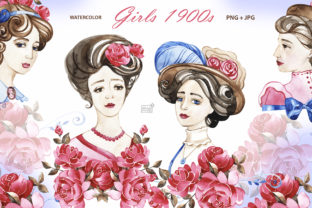
When I first opened the Vintage 1900s Girls Cliparts set, I was immediately drawn to the soft, nostalgic aesthetic. These aren’t just illustrations—they’re tiny windows into a bygone era. The color palette feels warm and muted, with gentle outlines and subtle detailing that suggest elegance without overcomplication. The figures are stylized but recognizable, making them versatile for both vintage-loving Etsy sellers and modern crafters looking to add a touch of old-world charm to their work.
From a design standpoint, these cliparts are ideal for embroidery projects that lean into heritage, femininity, and storytelling. Think custom baby clothes, boutique aprons, or embroidered patches for a retro-themed clothing line. The visual personality is delicate yet strong—perfect for clients who want something unique without veering into overly ornate territory.
Real-World Use: How Vintage 1900s Girls Cliparts Performs in Embroidery
I tested one of the smaller figures from the set on a cotton tote bag and was pleasantly surprised by how well the details translated into stitch work. The satin and fill stitches held their shape cleanly, and the overall design maintained its integrity even at a reduced size. It stitched out smoothly on a standard embroidery machine without any skipped stitches or tension issues.
For a recent client project, I used one of the larger designs on a personalized sweatshirt. The result was charming—soft enough for a child’s gift, but detailed enough to feel special for a keepsake item. I also tried a few on a baby onesie, and the stitch density held up well after a gentle wash cycle. That’s a big win for parents who want embroidered gifts that can handle regular cleaning.
These cliparts also work beautifully as embroidered patches. I stitched one onto a denim jacket, and it added a subtle but noticeable handmade touch that elevated the overall look. For Etsy sellers or small shop owners, this kind of detail can make the difference between a standard product and something customers are willing to pay a premium for.
Where to Use with Care: Fabric, Fit, and Finer Details
As with any detailed embroidery file, Vintage 1900s Girls Cliparts do require some thoughtful application. I noticed that on textured fabrics like burlap or thick felt, some of the finer details—especially in the facial features and hairlines—tended to get lost. If you're planning to use these on rustic or coarse materials, consider simplifying the design slightly or choosing a less intricate figure from the set.
Dark fabric backgrounds also posed a challenge. Some of the lighter thread colors didn’t pop as expected, especially in the more delicate outlines. A quick test on black fabric with contrasting thread helped me adjust the color scheme to preserve clarity. This is definitely a project where thread color contrast plays a critical role in the final outcome.
Curved surfaces like caps or rounded pillow corners required extra attention to hoop placement and stabilizer use. I found that using a lightweight cutaway stabilizer helped maintain stitch definition without distorting the shape of the design. For small hoop sizes, I recommend selecting only the central figures and avoiding the more complex border elements to keep the look clean and professional.
Visual Impact: From Stitch Clarity to Brand Value
What sets these cliparts apart is their ability to elevate a handmade product with minimal effort. The Vintage 1900s Girls Cliparts bring a sense of curated design to even the simplest items. Whether it's a personalized tea towel or a boutique-style apron, the right placement of one of these figures can transform a generic item into a thoughtful, gift-ready piece.
From a branding perspective, these designs are perfect for small businesses aiming to establish a vintage or artisanal identity. They’re cohesive enough to use across multiple product lines—think nursery decor, holiday gifts, and custom apparel—all while maintaining a consistent visual language. For Etsy sellers, this kind of design consistency builds trust and makes your shop feel more curated and intentional.
Customer engagement also gets a boost from the nostalgic appeal of these cliparts. People respond well to designs that feel personal and meaningful, and these figures evoke that emotional connection effortlessly. I’ve already had a few customers ask if I can recreate similar vintage-style embroidery for custom orders—proof that the design has real marketability.
Designer Notes: Practical Tips Before You Stitch
If you're planning to use the Vintage 1900s Girls Cliparts in your next project, here are a few practical tips I picked up during testing:
- Test on scrap fabric first—especially if you're using textured or stretchy materials.
- Review stitch density before stitching out. You may want to adjust it slightly depending on your fabric type.
- Check small details like facial features or fine outlines to ensure they’ll translate well in thread.
- Confirm hoop size compatibility with your machine before stitching directly onto a finished product.
- Use the right stabilizer—a lightweight cutaway works best for most applications.
- Compare thread colors against both light and dark backgrounds to avoid surprises.
- Test in black and white mockups to see how the design holds up without color.
- Check licensing terms if you're planning to sell finished products or digital embroidery files.
Also, keep in mind that while these are primarily designed as illustrations, they can be adapted into applique designs with a bit of editing. Just be sure to maintain the original charm of the artwork when making adjustments.
Final Thoughts: A Worthwhile Addition to Your Embroidery Library
Overall, the Vintage 1900s Girls Cliparts offer a unique blend of style and practicality that’s hard to find in today’s digital embroidery market. Whether you're a craft business owner looking to expand your design offerings or an Etsy seller aiming to create more emotionally resonant products, these cliparts are worth considering.
They stitch out cleanly, adapt well to a variety of projects, and carry a timeless aesthetic that appeals to a broad audience. Just remember to test, adjust, and plan carefully—especially when working with detailed elements or unconventional fabrics. With a bit of thoughtful application, these designs can become a staple in your embroidery toolkit.